

Introduction
Digital marketing is crucial for non-profit organizations to raise awareness, attract supporters, and achieve their goals. In today’s crowded online landscape, effective digital marketing tactics can help non-profits stand out and maximize their impact and reach. By leveraging various digital marketing strategies, non-profits can effectively communicate their mission and engage with their target audience.
Effective Online Advertising Strategies
Online advertising allows non-profits to reach a broad audience and generate awareness. Platforms like Google Ads and social media ads allow non-profits to target specific demographics and create compelling ad content that resonates with their audience. For example, successful non-profits have used online advertising to build awareness and raise significant funds by crafting impactful ad campaigns. By measuring and optimizing the performance of online ad campaigns, non-profits can continuously improve their results and drive conversion.
Social Media Fundraising
Social media platforms such as Facebook, Instagram, and Twitter are essential for non-profit fundraising. These platforms allow non-profits to engage and grow their audience, expand their reach, and attract supporters. Features, like donate buttons and fundraising events on social media platforms, facilitate fundraising efforts by making it easy for supporters to contribute. Non-profits can also share impactful stories and testimonials through social media to humanize their mission and connect with their audience on an emotional level. Collaborating with influencers and partners on social media can further amplify the reach of non-profit campaigns.
Email Marketing for Non-Profit Organizations
Email marketing is a cost-effective way for non-profits to communicate with their supporters. Building and growing an email subscriber list allows non-profits to reach a dedicated audience and tailor their communication based on donor interests and preferences. Creating compelling email content and templates increases open rates and engagement. By analyzing email campaign performance, non-profits can make data-driven decisions for improvement. For example, non-profits can automate email marketing to generate leads and keep their audience updated on their latest initiatives.
Creating Engaging Content for Non-Profit Websites
High-quality content is essential for non-profit websites to engage and inspire visitors. Non-profits should identify their target audience and tailor their messaging to meet their content preferences. Storytelling techniques, such as sharing impact stories, can emotionally connect with website visitors and convey the non-profit’s mission effectively. Visuals, videos, and infographics are powerful tools for engaging with the audience and illustrating the non-profit’s work. Optimizing website content for search engines increases visibility and organic traffic, allowing non-profits to reach a wider audience.
Leveraging SEO for Increased Visibility
Implementing SEO best practices helps non-profit websites rank higher in search engine results and increase their visibility. Keyword research and optimization allow non-profits to target relevant search queries and attract organic traffic. Optimizing meta tags, headings, and content improves the website’s visibility to search engines. Building high-quality backlinks from reputable websites enhances the non-profit’s online authority and improves search rankings. Monitoring and analyzing SEO performance helps non-profits identify areas for improvement and make data-driven decisions to improve their online visibility.
Tracking and Analyzing Digital Marketing Campaigns
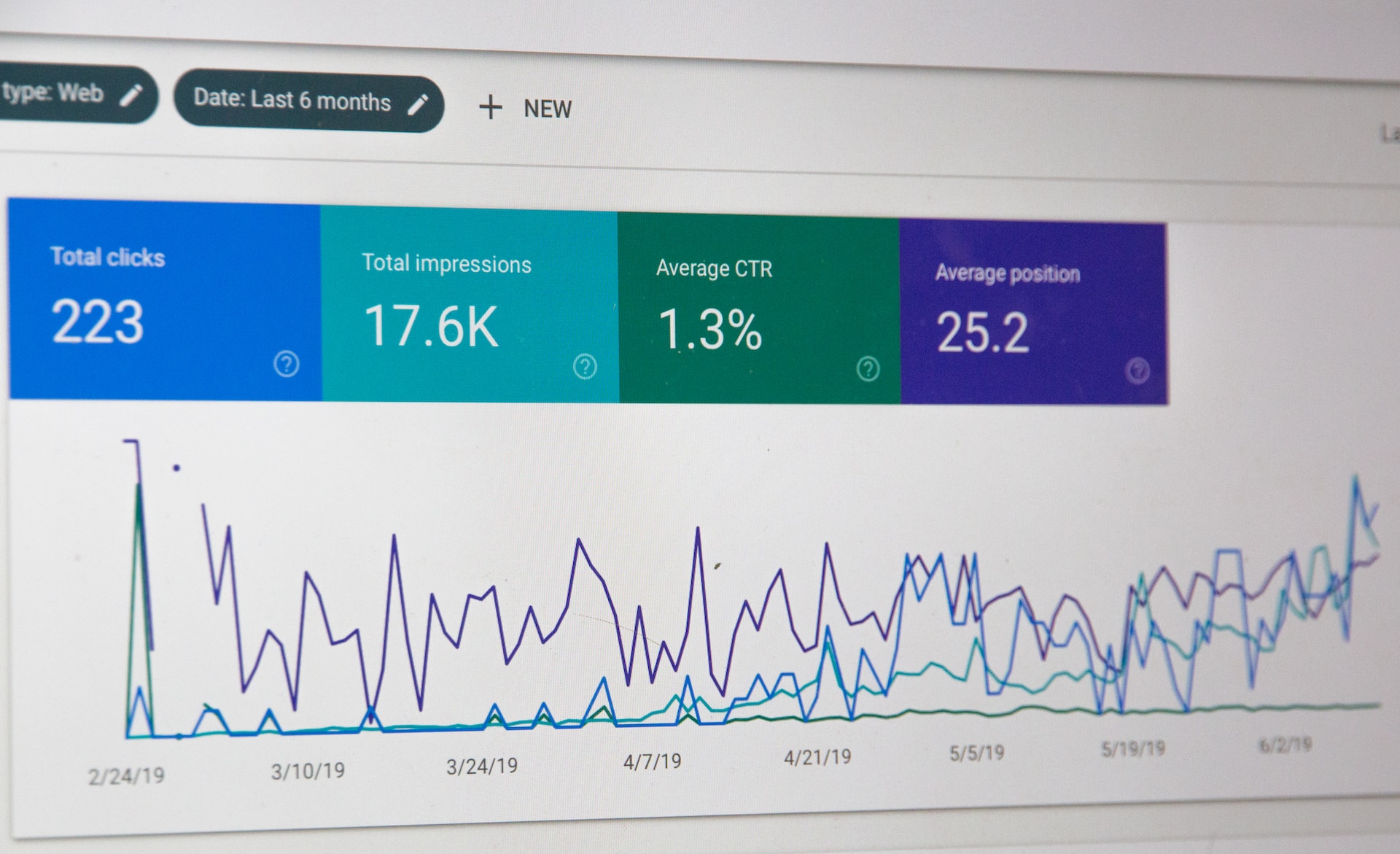
For non-profits to succeed in their digital marketing campaigns, setting specific goals and KPIs is crucial. With analytics tools, non-profits can gain valuable insights into website traffic, conversions, and user engagement, allowing them to measure the effectiveness of their online advertising and social media campaigns. Continuous monitoring and adjustment of digital marketing efforts can maximize results and help non-profits optimize their marketing strategies. Creating detailed reports and sharing insights with stakeholders enables data-driven decision-making and helps non-profits refine their digital marketing campaigns for a more significant impact.
Streamlining Donor Relationship Management with CRM Software
CRM software helps non-profits effectively manage and nurture donor relationships. By choosing the right CRM system, non-profits can streamline communication and personalize interactions with their supporters. Automating communication processes saves time and ensures consistent messaging. Tracking donor interactions and engagement helps non-profits understand their supporters better and tailor their communication accordingly. CRM software facilitates donor retention and long-term relationship building, allowing non-profits to cultivate a loyal and engaged donor base.
Utilizing Videos and Webinars in Non-Profit Marketing
Videos offer a compelling way to tell the non-profit’s story and engage with the audience emotionally. Creating impactful videos highlighting the non-profit’s mission and impact can generate support and raise awareness. Hosting educational webinars allows non-profits to connect and educate their audience in real time, fostering a sense of community and providing valuable information. Sharing videos and webinars through social media and email marketing expands reach and engagement. By measuring the reach and impact of video and webinar campaigns, non-profits can optimize their future marketing efforts and maximize their results.
Pursuing Partnerships and Amplifying Resources
Collaborating with complementary companies and organizations can extend the non-profit’s reach and increase their exposure. Sharing resources and amplifying marketing channels through partnerships can significantly impact fundraising and awareness efforts. Non-profits should track the impact of partnerships on their goals and evaluate their effectiveness. Effective communication with partners ensures successful collaboration and resource sharing. Case studies of successful partnerships in the non-profit sector can inspire other organizations to pursue similar opportunities and amplify their impact.
Wrapping Up
Effective digital marketing tactics play a vital role in the success of non-profit organizations. By leveraging digital marketing strategies such as online advertising, social media fundraising, email marketing, and SEO, non-profits can raise awareness, attract supporters, and achieve their goals.
About the Author
David Oñate is an award-winning marketing and fundraising strategist with 14+ years of experience in the non-profit sector. David is passionate about creativity, tech, and integrated marketing. He explores insights in the ever-evolving world of digital marketing and non-profit success. Learn more at https://daveonate.com/.